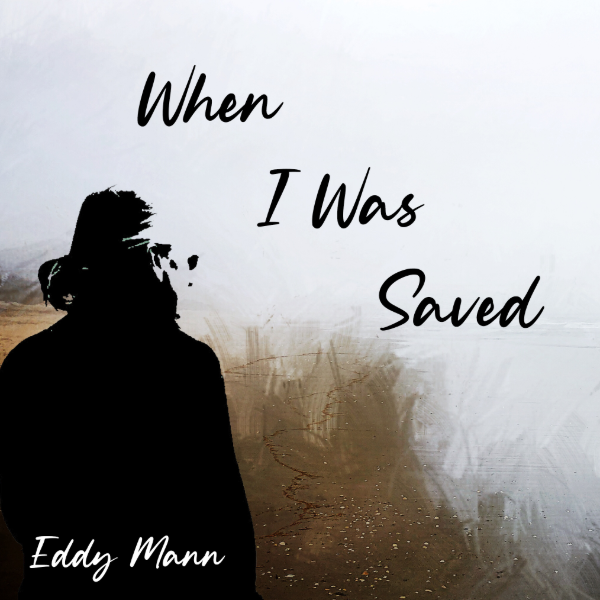
If Eddy Mann were chasing radio gloss, he’d have buried this thing in choirs and drum lifts. Instead, he keeps it lean—acoustic strum, light rhythm, a few well-placed textures—and lets the premise do the heavy lifting. Smart move. Because the premise is the song: “I was saved the day my best friend died.” That line isn’t new to Christian doctrine, but it’s still a gutsy hook in a marketplace that often prefers uplift without abrasion.
Mann’s voice helps. It’s not a showstopper, but it’s believable—slightly weathered, more witness than preacher. He sings like someone who’s spent time with the text, not just the chord chart. The production follows suit: unflashy, patient, a little stubborn about leaving space. You could call it modest; you could also call it confident enough not to oversell.
Lyrically, he tracks Luke 23 without getting preachy about it—no small feat. The scriptural touchstones are there (forgiveness, the thief’s plea, the promise of paradise), but they’re folded into a first-person frame that keeps things human. He doesn’t clean up the scene, either. There’s mockery, confusion, the uneasy coexistence of cruelty and mercy. That tension is the point, and he mostly resists resolving it into a tidy takeaway.
Liz Collins shows up on backing vocals and does what good backing vocalists do: deepen the atmosphere without hijacking the narrative. She’s an accent, not a headline—ghostly enough to suggest a second perspective, grounded enough not to float off.
https://open.spotify.com/track/4fP6v4f227vaWGrCD9B6HC?si=559f52ce9d514824
Where it falls short—if it does—is in its sonic risk profile. The arrangement is so careful it rarely surprises you. A little friction—a stray electric line, a rhythmic left turn—might have sharpened the edges. As it stands, the track leans on its message more than its music, which is fine if you’re already on board, less so if you’re not.
Still, Mann’s restraint is its own argument. In a genre that often equates conviction with volume, “When I Was Saved” opts for clarity. It’s a contemplative single that trusts the listener to meet it halfway, which is rarer than it should be. You won’t mistake it for a crossover smash, but that’s not the job here.
Call it a solid piece of testimony set to a tune that knows when to get out of the way. The paradox at its center—loss as the gateway to grace—lands clean, even if the music around it plays it safe. In the end, Mann does what he set out to do: remind you of a story you’ve heard before and make it feel, for a few minutes, like you’re hearing it again.
–Bobby Chrisman