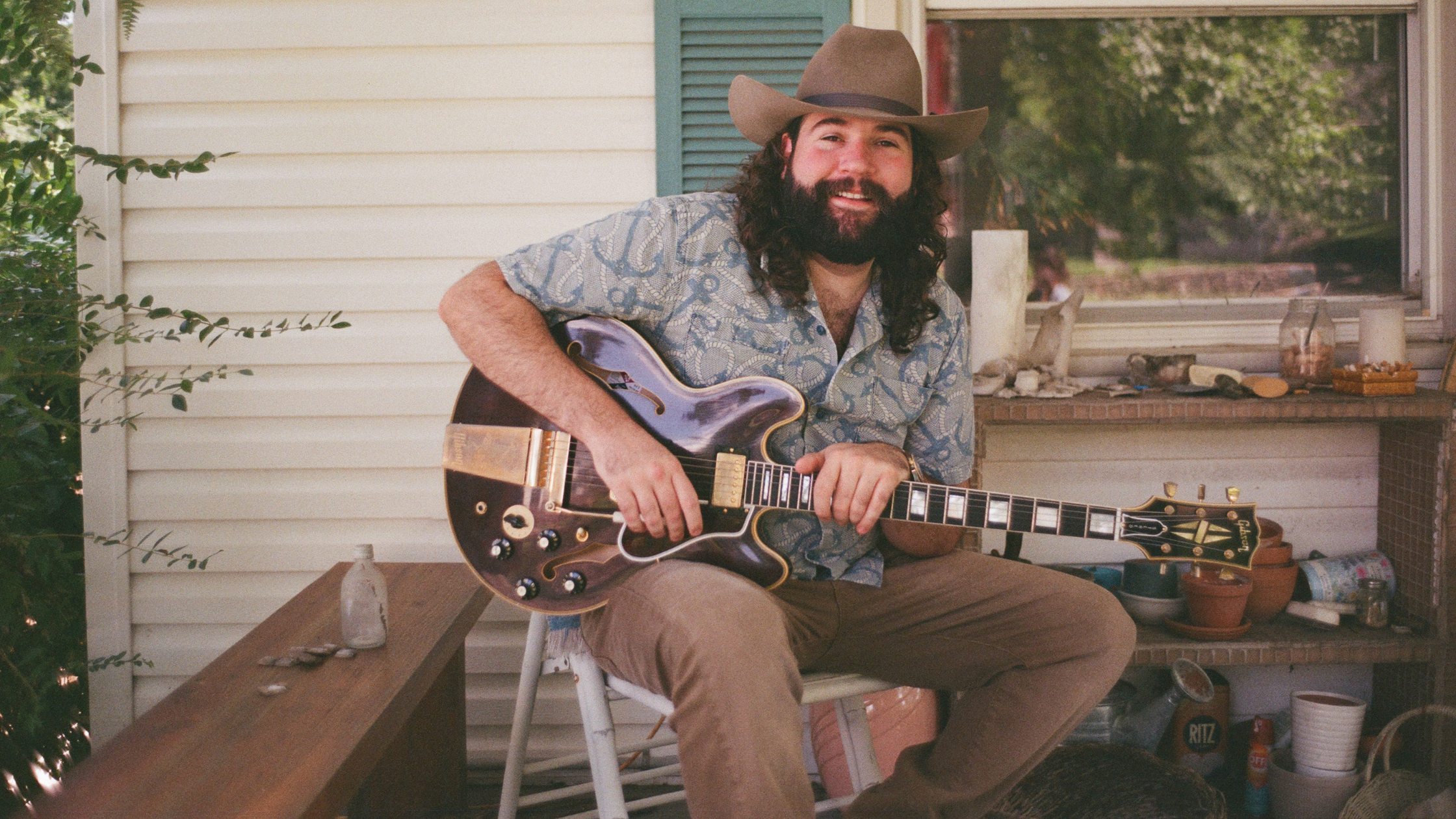
Christian Parker turns a short-lived summer romance into a vivid country story on his latest single, “Three Months Long.” Written alongside Neil Perry and produced by “Mama Jan” Smith and Jesse Owen Astin, the track finds Parker looking back on a relationship that was never supposed to make it past the season — and having very few regrets about that.
There’s an immediate sense of character to the song. Parker introduces an older woman who dances in the kitchen, lives without inhibition and seems determined to experience life on her own terms. He’s clearly drawn to her, but there’s admiration underneath the attraction too. When Parker admits that “she got what I, what I want to be,” the song becomes about more than a fleeting relationship. She represents a freedom he hasn’t quite found for himself yet.
Parker and Perry are at their strongest when they allow those details to tell the story. References to Stevie Nicks and Tom Petty appear early, while the second verse pushes further into cinematic territory with Breakfast at Tiffany’s, technicolor and silver-screen imagery. Together, they create a woman who feels almost too colourful to exist outside the memory Parker has created around her.
The chorus brings all of that imagery down to one simple idea. Parker knows she isn’t interested in being held too tightly, knows his family probably isn’t waiting for this relationship to become serious and knows there’s little chance of it lasting. His answer to all of those warning signs is the song’s sharpest hook: “Summer’s only three months long.”
It’s a clever line because its meaning changes as the track moves forward. Initially, it feels like permission to make a questionable decision and enjoy the moment. By the final chorus, however, Parker sounds noticeably less detached.
That shift is reflected directly in the writing. Earlier choruses find Parker singing about “her,” but the final chorus changes to “you.” “If you hold her close” becomes “if I hold you close,” turning what had felt like Parker recounting an old story into something far more personal. Even his insistence that the relationship wasn’t built to last becomes harder to completely believe.
Smith and Astin’s production gives that storytelling plenty of room to breathe. Rather than overwhelming a song built around personality and lyrical detail, the production supports Parker’s vocal and keeps the focus firmly on the narrative and its memorable central refrain.
By the outro, Parker repeats “three months long” as the finality of the story finally catches up with him. What started as a carefree justification begins to sound more like something he’s still reminding himself of: it was only three months, and then she was gone.
“Three Months Long” succeeds because it doesn’t try to manufacture a grand heartbreak from a relationship that was never promised forever. Parker instead captures the fun, recklessness and unexpected attachment of knowing something is temporary and going for it anyway.
It may have only lasted one summer, but Parker makes those three months sound well worth remembering.