By Dani Stevens
A song about a lost parent can ask for sympathy before it has earned our attention. Elvira Kalnik’s “Dad” makes a stronger demand. It asks what happens when the person you mourn is also the person who taught you how to make music—and when the thing you would normally turn to for comfort has become almost unbearable.
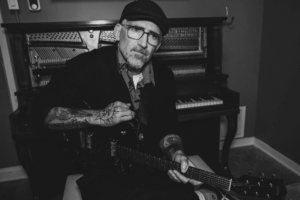
Kalnik’s father taught her guitar. He sang lullabies and read fairy tales to her as a child. He encouraged her to work through problems herself, trusting her judgment while remaining ready to protect her when she needed him. After his death, she says, music felt bound so tightly to his memory that she could hardly return to it. “Dad” came to her soon after he died, but it took six months for her to record it.
That delay matters. Popular songs often compress suffering into a few minutes and send the listener away with the impression that pain has been settled. Kalnik’s account of “Dad” suggests a less convenient truth. She cried through repeated takes. In the finished recording, she left in sighs and places where her breath catches. Those sounds are evidence of the labor behind the performance. They tell us that getting through a song and getting through grief are two different things.
There is nothing unusual about wanting a record to sound its best. But “best” is a choice, and Kalnik has chosen to measure it by something other than a seamless vocal. She has said that smoothing away those moments would strip the song of its soul. The decision gives “Dad” its sharpest artistic point: the voice of someone in mourning may falter, and that faltering can carry meaning no corrected take could supply.
The song’s title is another plainspoken choice. Her father was a specific man: an avid reader, a source of calm for his family, someone her friends described as lighting up a room. Yet “Dad” is a name many people use. Kalnik places her memories under a word listeners will bring their own histories to. Some will hear gratitude in it. Others may hear regret, distance, or a wish for one more conversation. The tribute remains hers without closing anyone else out.
Kalnik has worked in music, fashion, and performance, but the story behind this release resists the grand gestures those worlds can invite. Its most telling detail is small: a breath left where it happened. That is also where the song’s wider reach lies. Anyone who has tried to resume an ordinary act after a death knows that the act may no longer feel ordinary.
“Dad” cannot bring back the man who put a guitar in Kalnik’s hands. It does show what she did with that gift when using it hurt. She made the record, kept the difficult moments, and let them be heard.